Enigm@nline is a digital platform for exhibitions and artistic cycles conceived with the aim of expanding access to contemporary artistic practices linked to sound, visual and performative experimentation.
Born as a free online exhibition space, Enigm@nline presents temporary exhibitions that explore hybrid formats and languages such as video art, graphic scores, sound art, experimental music, and other transdisciplinary practices. Through this digital environment, the platform has hosted works by artists such as Llorenç Barber, Maria de Alvear, and Eduardo Polonio , among others, fostering dialogue between generations, disciplines, geographical contexts, and diverse creative approaches.
More than just an archive, Enigm@nline is conceived as a dynamic space for encounter, research, and dissemination , where the web temporarily transforms into an exhibition space and curatorial tool. The platform fosters new forms of perception and listening, challenges the limitations of the traditional exhibition format, and promotes the open circulation of artistic knowledge.
Enigm@nline thus seeks to activate a common territory between creators, audiences and contexts, understanding the digital not as a substitute, but as a specific medium with its own poetic, critical and experimental potential.
ENIGM@NLINE
PAST EDITIONS
2023
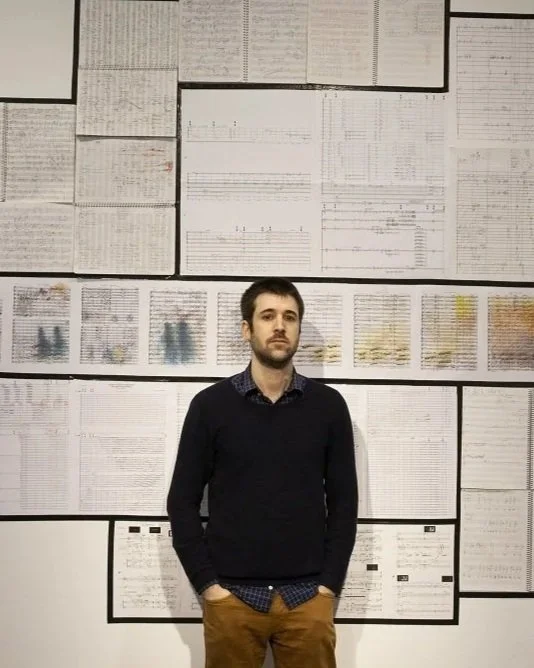
‘Límites de la limitación’. This online exhibition focuses on Alemany's graphic scores, whether in their printed or digital format, on his intervened scores in which gesture appropriates the discourse, or on his interpretive miniatures where forms become sonorous.
A work that emerges from the intersection, from the multidisciplinary to the transdisciplinary. Creations where genres blend through the search for new means of expression.
Joan Gomez Alemany
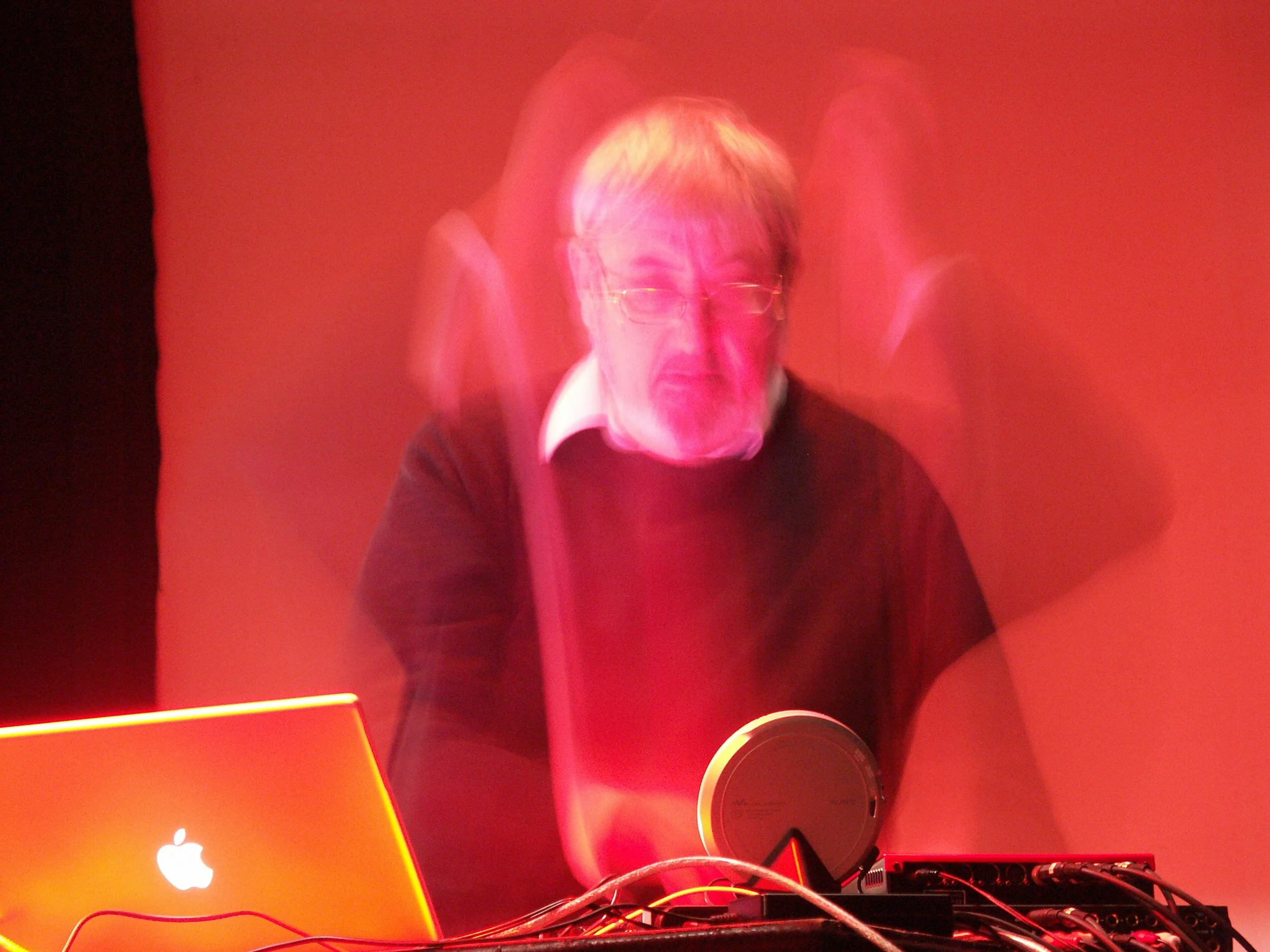
Eduardo Polonio
‘EDUARDO POLONIO. UNA POSIBLE RETROSPECTIVA’ is an exhibition focused on one of the pioneers of electroacoustic music in Spain: Eduardo Polonio (1941).
An exhibition structured in four categories: 'Photographs', 'Notation and other writings', 'Performances, installations and operas', and finally 'Works', with which to explore (and pay homage to) the work of a creator in a continuous state of searching.
2022
1. La realidad eléctrica. Arte sonoro latinoamericano
“Space and sound were important concepts in pre-Hispanic societies, as was the use of public spaces for community activities and artistic expression,” say researchers Mario Duarte and Emma Wilde.
Each country, each city - to quote Francesc Daumal - has its own sonic fingerprint, that is, each city has its own sound trail with which to identify its culture, architecture or history.
Following this idea, Enigma@nline's first project focuses on exploring contemporary Latin American sound art through the work of artists from Colombia, Argentina, Mexico, Brazil, and Costa Rica. Through the electric realm of sound art, electroacoustics, social soundscapes, and electronic instrument making, we will approach contemporary Latin American social and artistic realities.
Works that make use of old keyboards and obsolete technologies in a kind of analog/digital alchemy; others in which the basis is to scrutinize the (own) interior of the artist; infinite pianos expanded in space; or works that focus on the reality of children who work in the coffee fields in Mexico.
A kaleidoscope of proposals, sounds, and ways of sounding, to celebrate and vindicate Latin American sound art.
This exhibition has been curated in collaboration with the composer and researcher Mario Duarte.
-
![]()
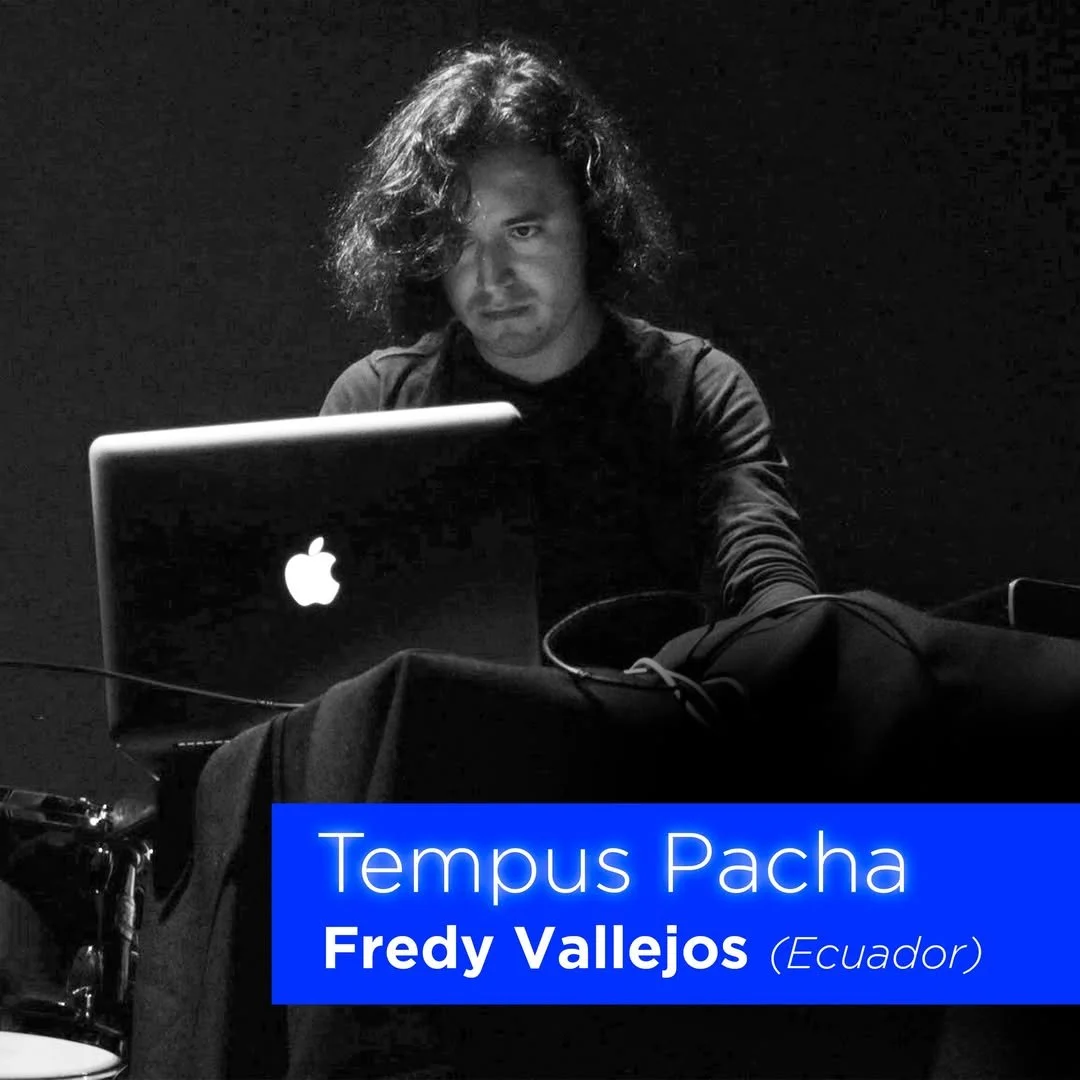
Tempus Pacha
The work explores the concept of identity, taking Time as a transversal axis of reflection.
-
![]()
Scraping My Pain, Then I Heal
The work explores texture as a timbral dimension, which allows the association between materiality and metaphor.
-
![]()
Cuerpo Mutable
This project proposes an exploration through self-portraiture, involving a process of primarily individual and then collective search, with a trans-disciplinary component using digital tools.
-
![]()
Xolar
This project is an electronic instrument modified through circuit bending techniques. It is based on an old second-hand Casio keyboard that was restored and altered.
-
![]()
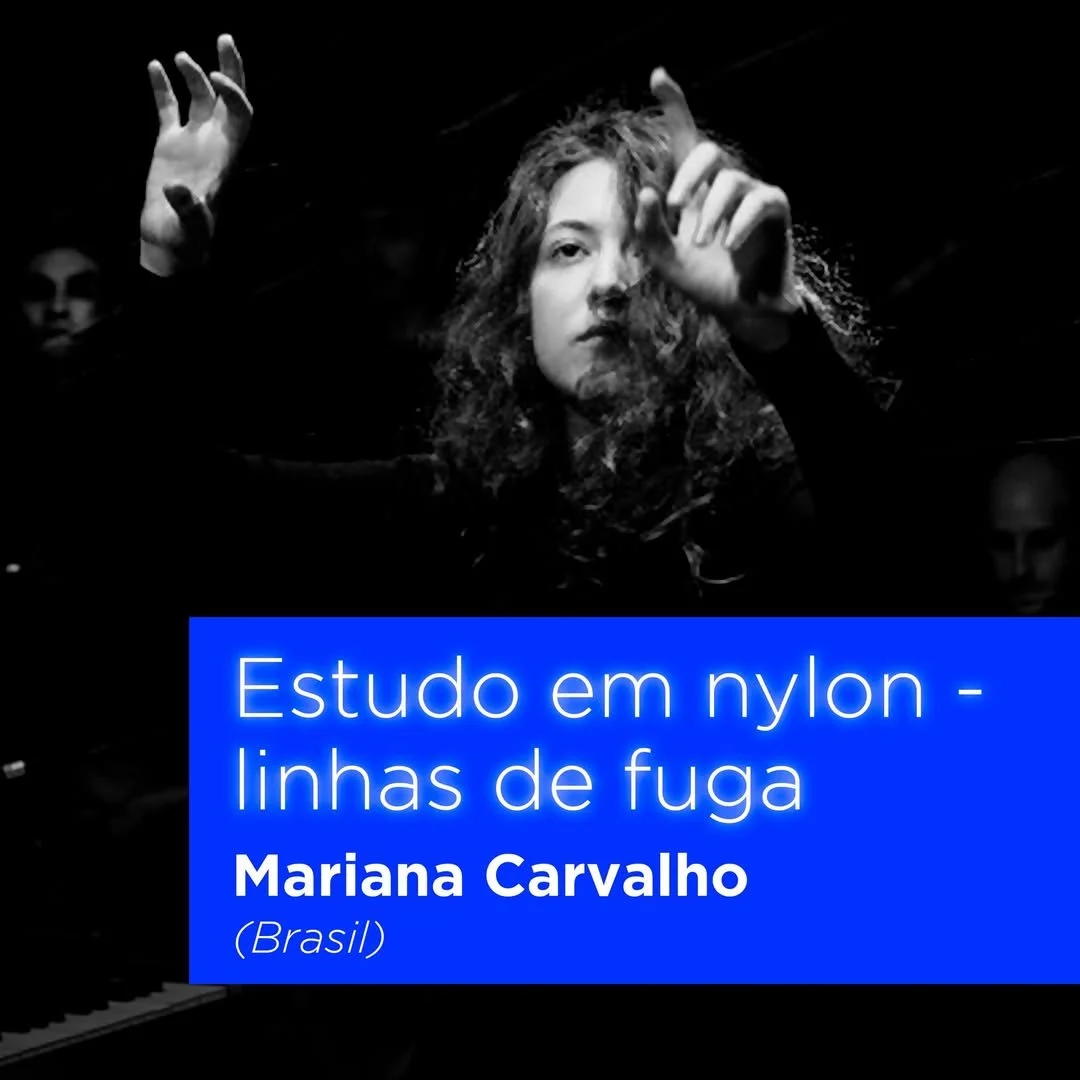
Estudo em nylon - linhas de fuga
A performative installation in which a piano expands into space using nylon.
-
![]()
Migrante
An audiovisual work that seeks to highlight the experiences of children and adolescent migrants who have traveled to Mexico.
-
![]()
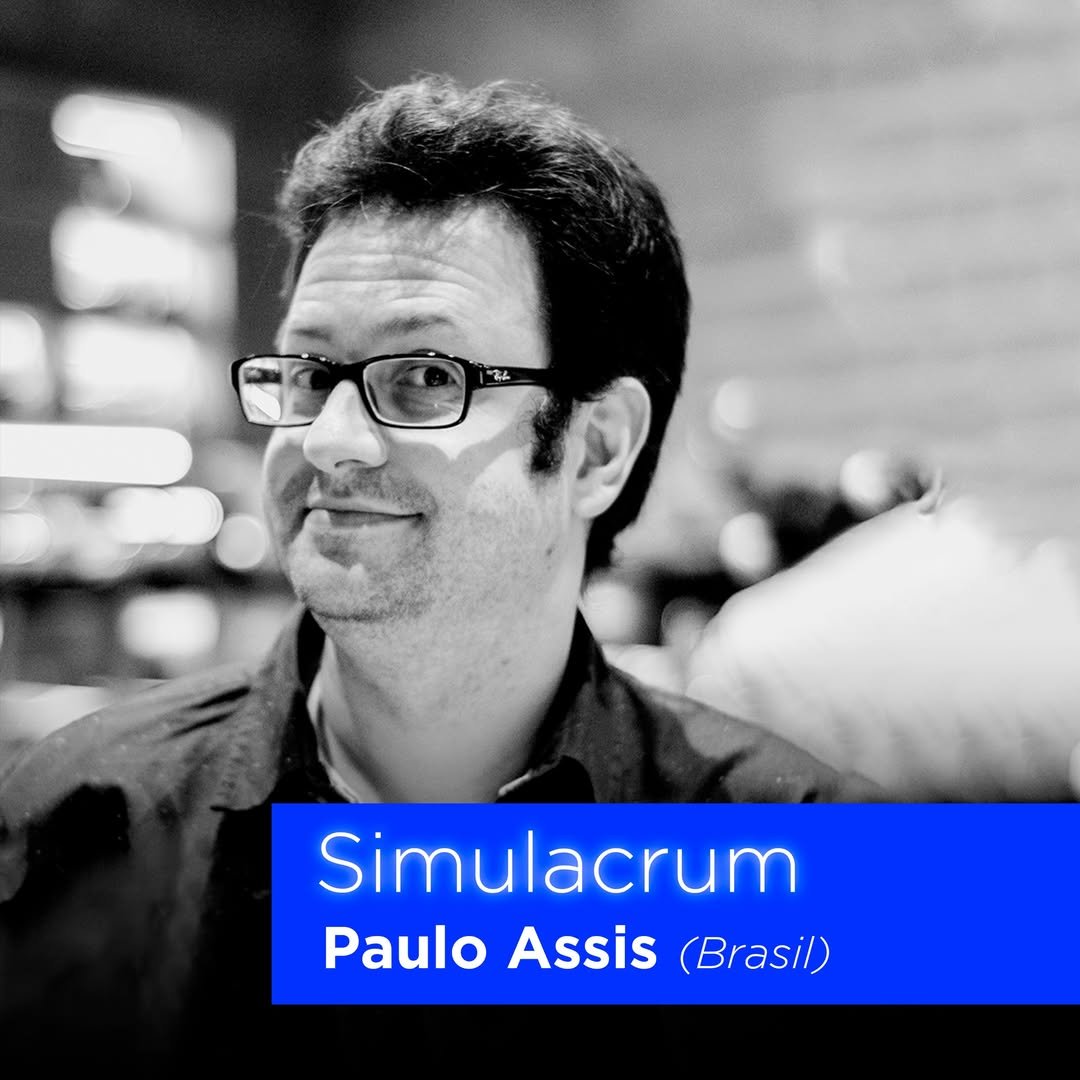
Simulacrum
A performance that uses feedback and tape delay techniques to create a universe of tape saturation, noise, and sound artifacts.




2. Chuse Fernández. Recorridos sonoros
"Zaragoza sounds like multiculturalism and the cierzo wind. That innate wind of the city," says Chuse Fernández (1963), from Zaragoza, one of the leading figures in sound art in our country.
Chuse Fernández, a radio creative and sound designer from Aragon, is an expert in radio creativity and acoustic semiotics. His work, related to sound creation applied to communication and soundscape, earned him the Ondas Award in 2012 and the AERO Award for radio creativity in 2014.
He has produced experimental radio programs for stations such as Radio Nacional de España, Antena 3, and Radio 80. His work can be heard on RADIA, the international network of experimental radio stations, and at festivals such as SONODOC, SONOR in Nantes (FR), and 60 Seconds de Radio in Canada.
The exhibition “Chuse Fernández. Recorridos Sonoros” focuses on a series of soundscape works that Fernández created in 2011 about noise in Zaragoza. These works, which explore different soundscapes, have become a historical sound archive of the city, including some sounds that are now extinct. The exhibition is complemented by other more experimental works related to sound art.
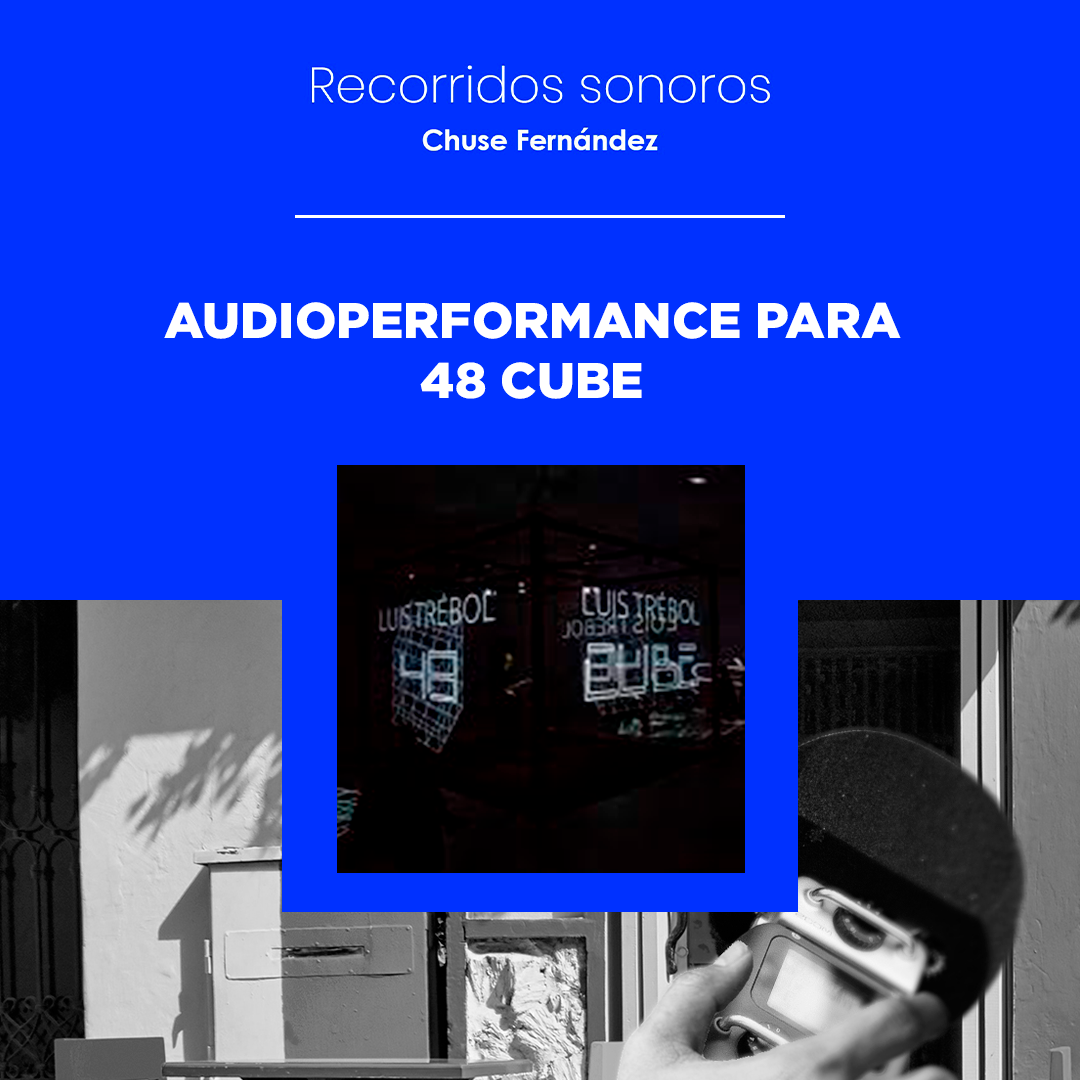
Audioperformance para 48 cube
A sound mixing project for a sound performance featuring the voice of Luis Trébol, interpreting 16 poems by different authors within the 48CUBE project, developed at ETOPIA Center for Art and Technology in Zaragoza on November 4, 2020.
Based on an original composition by the group Prana-Yama (Sunbearn in the morning), a dreamlike atmosphere is created using various sound effects, where everything is subject to change, evaporating anxieties and blurring sensations.
Evapo-radio (2011)
2021
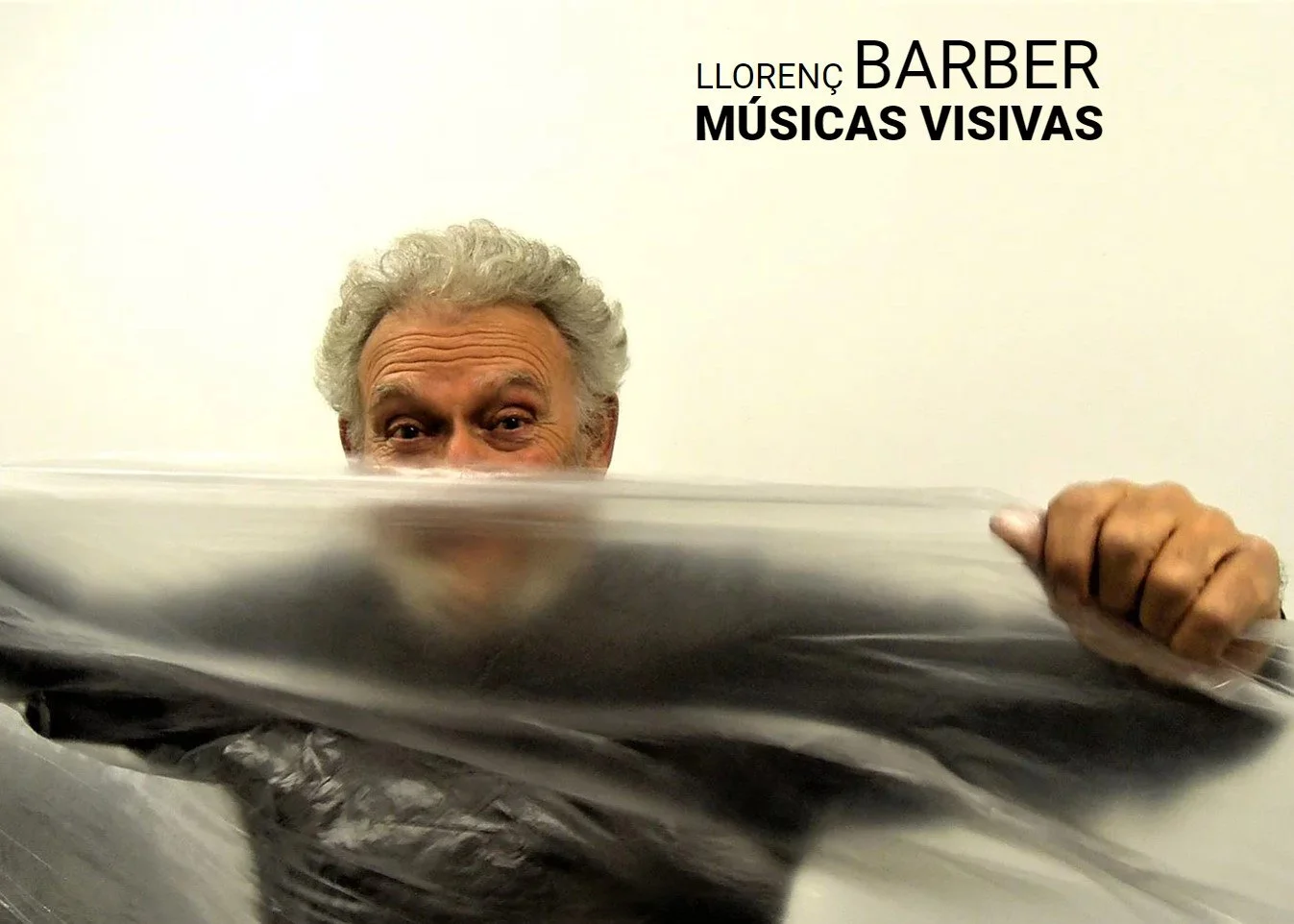
Llorenç Barber
“The scores played themselves, without a performer to read them. They started giving their concerts just by looking at them. And that autonomy shattered everything,” Barber himself explains in relation to his visual music.
Llorenç Barber (1948) is undoubtedly one of the most unique musicians and artists in Spain. An unorthodox musician, he has developed an extensive body of work, both musical and theoretical, dedicated to (re)thinking sound. A pioneer of minimalism and sound art in Spain, Barber was the founder of the "sonic action" group Actum (1973) and the Taller de Música Mundana (1978).
His sonic reflections have led him to create the now-famous City Concerts or Bell Concerts, in which a city's bell towers become the instrument of the work. "[Playing from a bell tower] you don't hear anything, you are inside the sound, you yourself are sound, you are the sounding one," Barber himself explains.
Visual Musics are a free space in which the spectator, regardless of their musical level, becomes a performer, so that finally, as Barber explains, "people listen to themselves."
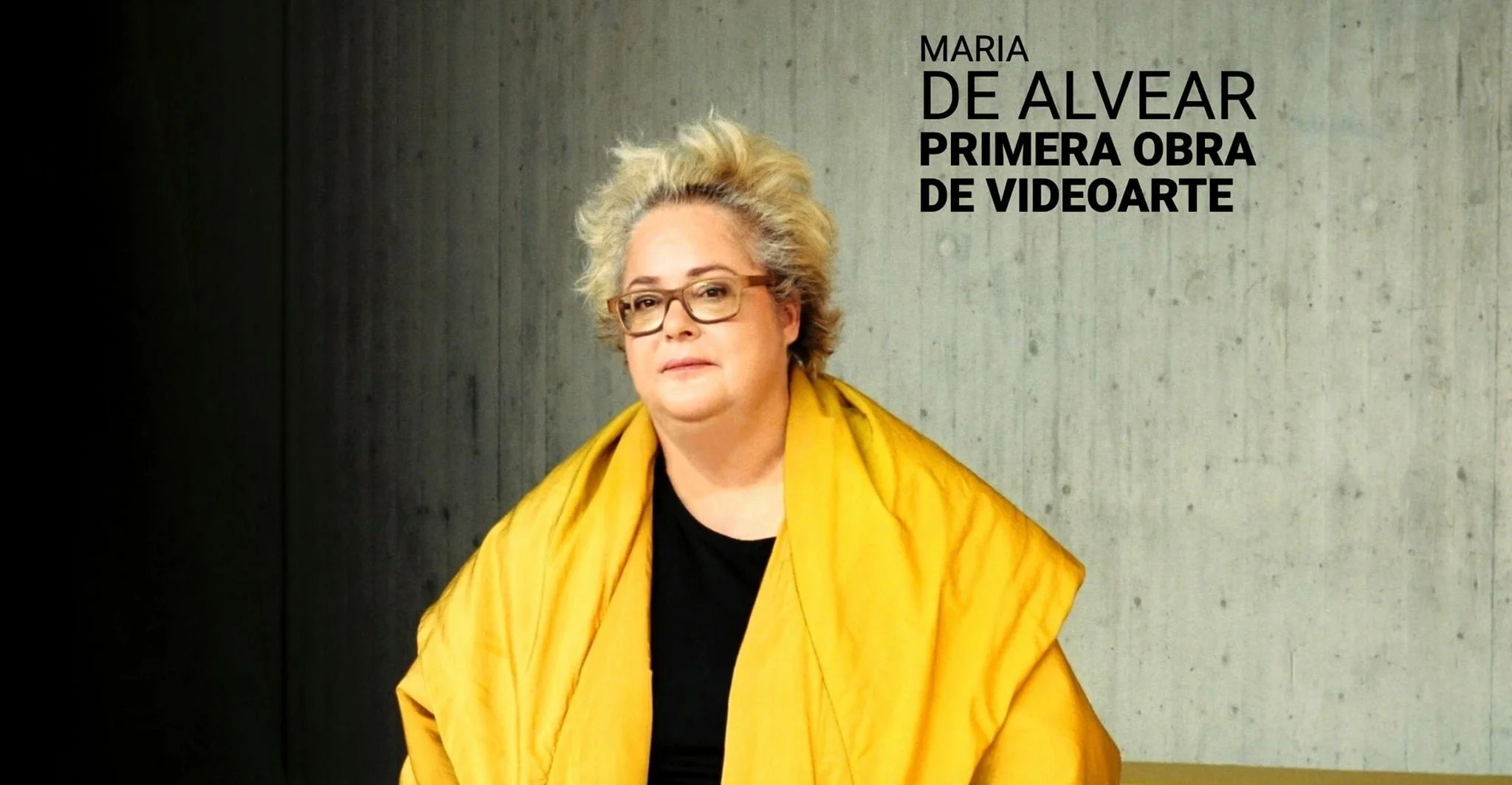
Maria de Alvear
Maria de Alvear (1960), composer, musicologist, and multidisciplinary artist, has developed her work through the interaction between the arts. A student of Mauricio Kagel, her work ranges from instrumental compositions to installations, video art, performance, and works for documentaries and radio.
Awarded the Bernd Alois Zimmermann Prize (1992) and the National Music Prize (2014), Maria de Alvear's works have been performed by the most important European ensembles such as Ensemble Modern, Basel Sinfonietta, Ensemble Musikfabrik, among others.
This series presents Maria de Alvear's early video art works. It's an ideal opportunity to revisit her first pieces in this field, 30 years later, which, in her own words, "perfectly represent my concerns during the 1980s."
Religion and its relationship with art; obsession, joy or sex, are themes around which the five videos that make up this cycle revolve, and which represent a kind of X-ray of the evolution and interests of the author during the 14 years that separate the first video from the last.